Keeping your home organized can make everyday tasks easier and help you maintain a cleaner living space. However, clutter can build up quickly when household items do not have a proper place.
You do not need expensive storage systems or major changes to get things under control. A few practical adjustments can make a noticeable difference. These house organization ideas will help you use available space, keep everyday items in order, and make your home easier to maintain.
1. Use Storage Baskets to Group Similar Items
Storage baskets are a simple way to keep similar items together. You can use them in living rooms, bedrooms, bathrooms, and other areas where small items tend to collect.
For example, keep remote controls, magazines, and chargers in one basket in the living room. In the bathroom, use separate baskets for skincare products, hair accessories, and toiletries. This makes it easier to find what you need without searching through drawers or shelves.
2. Install Hooks Behind Doors
The space behind doors often goes unused, even though it can provide extra storage. Install hooks on bedroom, bathroom, or closet doors to hang items you use regularly.
You can use these hooks for towels, handbags, jackets, dressing gowns, and other lightweight items. They help keep things off chairs and floors while making them easy to access. Over-the-door hooks are also useful if you do not want to drill holes into walls.
3. Organize Kitchen Cabinets by Category
Kitchen cabinets can become messy when different items are stored together without a clear arrangement. Organize them by category so you know where everything belongs.
Keep plates, bowls, and glasses together in one cabinet. Store pots and pans in another, and use a separate area for cooking ingredients and food containers. Place frequently used items on lower or easily accessible shelves. This arrangement makes cooking easier and reduces the time spent looking for kitchen supplies.
4. Use Drawer Dividers for Small Items
Drawers often become cluttered because small items get mixed together. Drawer dividers help separate these items and give everything a specific place.
You can use them in kitchen drawers for cutlery, measuring spoons, and cooking tools. In bedrooms, they are useful for organizing socks, underwear, accessories, and other small clothing items. Adjustable dividers are a good option because you can change their size to fit different drawers.
5. Create a Dedicated Entryway Drop Zone
Keys, wallets, shoes, bags, and mail often end up scattered around the house. A dedicated drop zone near the entrance can prevent this problem.
Place a small table, wall shelf, or storage unit near the door. Add a tray for keys and other small belongings, along with hooks for bags and jackets. You can also keep a shoe rack nearby to prevent footwear from spreading across the entryway.
6. Use Vertical Space for Extra Storage
If your home has limited floor space, look for ways to use the walls. Vertical storage helps you keep more items organized without making rooms feel crowded.
Install wall-mounted shelves, hanging organizers, or tall storage units in suitable areas. You can use them for books, decorative items, kitchen supplies, and household essentials. Just make sure heavier items are stored on properly secured shelves.
7. Organize Your Pantry With Clear Containers
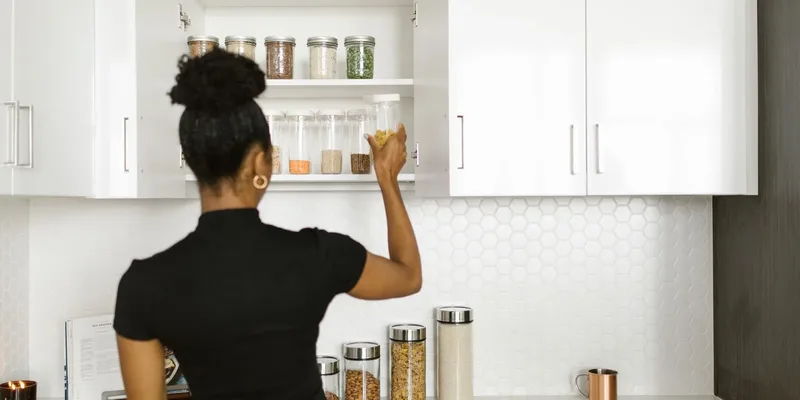
Food packets, spices, and other pantry supplies can make shelves look messy when they are stored in their original packaging. Clear containers provide a more organized way to store dry food.
Transfer items such as rice, flour, pasta, cereal, and lentils into airtight containers. Label each container so you can identify its contents easily. Also, arrange similar ingredients together and keep frequently used products near the front.
8. Add Shelves to Empty Wall Spaces
Empty walls can provide useful storage space, especially in smaller homes. Instead of adding more cabinets or furniture, consider installing a few shelves.
Floating shelves work well in living rooms, bedrooms, kitchens, and bathrooms. Use them to store books, small baskets, toiletries, or decorative items. Avoid overcrowding the shelves, as too many objects can make the room look untidy again.
9. Use Under-Bed Storage Boxes
The space under your bed is useful for storing items that you do not need every day. Leaving it empty can mean missing out on extra storage space.
Use flat storage boxes or rolling containers to keep extra bedsheets, blankets, seasonal clothes, and spare pillows. Choose containers with lids to protect items from dust. If you want easier access, look for boxes with wheels that can slide in and out without much effort.
10. Keep Frequently Used Items Within Reach
Storing everyday items in hard-to-reach places can make your home less convenient to use. It can also lead to clutter when you leave things wherever you find space.
Keep frequently used belongings in accessible locations. For example, place your everyday dishes on an easy-to-reach kitchen shelf and keep commonly used toiletries near the bathroom sink. Store occasional-use items in higher cabinets or less accessible areas.
11. Organize Your Bathroom Cabinets
Bathroom cabinets can quickly fill up with toiletries, skincare products, cleaning supplies, and spare towels. Organizing these items by category helps you use the available space more effectively.
Use small baskets or containers to separate different products. Keep daily essentials near the front and store extra supplies in another section. Also, check expiration dates and remove empty bottles or products you no longer use.
12. Use Labels to Identify Storage Containers
Labels make it easier to find items without opening every box or container. They are especially useful when you have several similar-looking storage baskets.
Label containers according to their contents, such as cleaning supplies, winter clothes, toys, or spare toiletries. You can also label pantry jars with the names of their ingredients. Keep labels simple and easy to read so everyone in the household can follow the same organization system.
13. Set Up a Laundry Sorting Station
Laundry can become difficult to manage when dirty clothes are scattered across bedrooms and bathrooms. A sorting station helps keep everything in one place.
Use separate laundry baskets for lights, darks, and delicate clothes. If you have limited space, choose a divided laundry hamper or stackable baskets. You can also keep a small basket nearby for socks and other items that need special attention before washing.
14. Use Furniture With Built-In Storage
Furniture with built-in storage allows you to keep household items organized without adding extra cabinets or shelves.
For example, use an ottoman with hidden storage in the living room to keep blankets, cushions, or magazines. A bed with storage drawers can hold extra bedding and clothes, while a storage bench can provide space for shoes near the entrance. These pieces are particularly useful in smaller homes.
15. Organize Cleaning Supplies in One Place
Keeping cleaning products in different rooms can make them difficult to find when you need them. Set aside one suitable area for your regular cleaning supplies.
Use a cabinet, shelf, or cleaning caddy to store sprays, cloths, brushes, sponges, and other essentials. You can also keep separate caddies for different rooms if you prefer. Make sure cleaning chemicals remain in their original containers and are stored safely away from children and pets.
16. Use a Pegboard to Store Everyday Items
A pegboard is a practical storage option for areas where you need to organize several small items. It allows you to hang belongings on hooks instead of keeping them scattered across surfaces.
Install one in a garage, utility room, or home office. Use it to store tools, scissors, cables, craft supplies, and other frequently used items. You can also rearrange the hooks whenever your storage needs change.
17. Create a Dedicated Space for Important Documents
Important documents can easily get lost when they are mixed with everyday papers, bills, and receipts. Create a dedicated storage area to keep them organized.
Use a filing cabinet, document box, or labeled folders for items such as bills, warranties, property documents, and personal records. Separate papers into categories so you can find them quickly. Also, remove unnecessary papers regularly to prevent the storage area from becoming overcrowded.
18. Keep Cords and Chargers Organized
Loose cables and chargers can make desks, entertainment units, and bedside tables look messy. They can also become tangled when several devices are connected in the same area.
Use cable clips, cord organizers, or small storage boxes to keep wires in place. Label chargers if you have several similar ones. You can also use cable ties to group extra wire lengths and prevent them from spreading across the floor.
19. Use Closet Organizers to Maximize Space
Closets can become crowded when clothes, shoes, and accessories are stored without a proper arrangement. Closet organizers help you use shelves, hanging space, and drawers more efficiently.
Add hanging organizers for folded clothes, shoe racks for footwear, and small bins for accessories. You can also use shelf dividers to keep bags and folded clothes in place. Arrange everyday clothing in accessible sections and move occasional-use items to higher shelves.
20. Store Seasonal Items Separately
Seasonal belongings take up space even when you are not using them. Keeping them separate from everyday items can make your storage areas easier to manage.
Use labeled boxes for winter clothes, summer accessories, holiday decorations, and seasonal bedding. Store these boxes on higher closet shelves or in another suitable storage area. Before putting anything away, make sure clothes and fabrics are clean and completely dry.
21. Add a Shoe Rack Near the Entrance
Shoes left near the entrance can quickly create clutter and make it difficult to move around. A shoe rack gives footwear a designated place and keeps the area more organized.
Choose a rack that fits your available space and the number of shoes in your household. You can also use a closed shoe cabinet if you prefer to keep footwear out of sight. Keep frequently worn shoes on the lower or front shelves for easy access.
22. Organize Toys With Accessible Storage Bins
Toys often end up scattered across living rooms and bedrooms, especially in homes with young children. Accessible storage bins make it easier to keep them organized.
Use separate containers for building blocks, soft toys, puzzles, and other play items. Choose lightweight bins that children can reach and use without assistance. You can also add simple labels or pictures to help them identify where each toy belongs.
23. Use a Rolling Cart for Flexible Storage
A rolling cart provides extra storage that you can move wherever it is needed. It is useful when you do not have enough cabinet or shelf space.
Use one in the kitchen for cooking supplies, in the bathroom for toiletries, or in the laundry area for detergents and cleaning cloths. You can also use it in a home office to store stationery and documents. Choose a cart with multiple shelves so you can separate different items.
24. Keep Countertops Clear With Small Organizers
Kitchen and bathroom countertops can quickly become crowded with everyday products. Keeping only essential items on these surfaces makes the rooms look tidier and easier to clean.
Use a small tray for kitchen oils and frequently used seasonings. In the bathroom, place daily skincare products and toiletries in a compact organizer. Move occasional-use items into cabinets or drawers instead of leaving everything on the counter.
25. Follow a Daily 10-Minute Reset Routine
Even a well-organized home can become messy during a busy day. A short daily reset helps prevent clutter from building up.
Spend 10 minutes returning items to their designated places. Put away clothes, clear countertops, arrange cushions, and collect items left in shared spaces. You can also ask other household members to take responsibility for their belongings. Doing a little each day makes it easier to maintain an organized home without spending hours cleaning.
Final Words
Organizing your home does not require expensive furniture or complicated storage systems. Simple changes, such as using baskets, adding shelves, arranging cabinets, and creating dedicated spaces for everyday belongings, can make a big difference.
Start with the areas that cause the most clutter and introduce a few ideas at a time. Also, make tidying up part of your daily routine so your home stays organized with less effort.
Related guide: How Long Does It Take to Get Approved for an Apartment?