
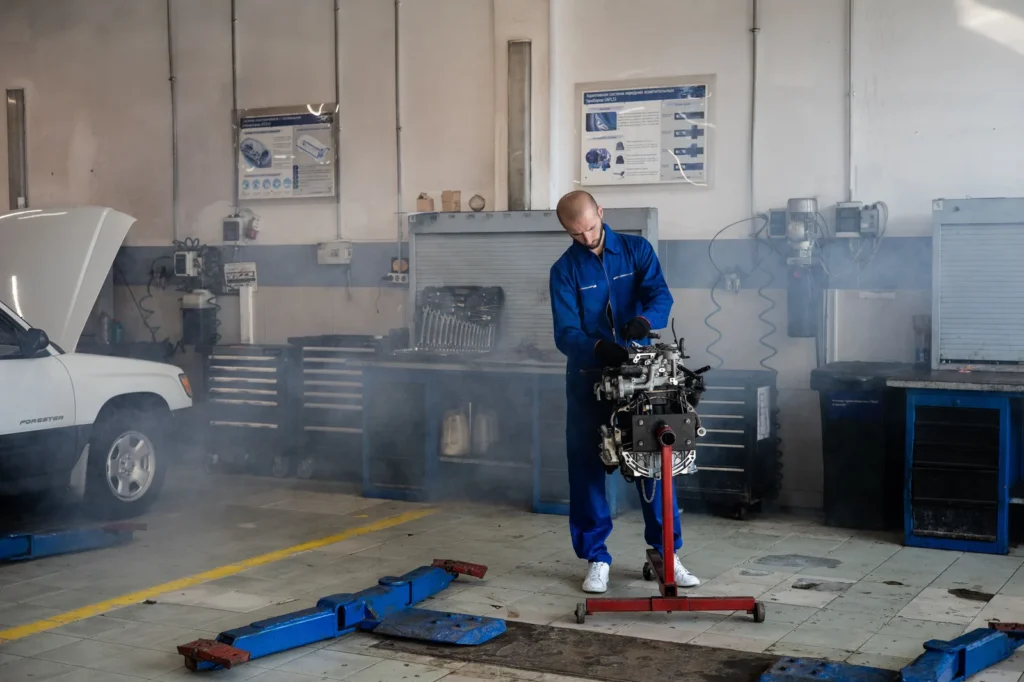
If your car starts shaking while parked, it may have a problem with the engine, ignition system, or engine mounts. You may notice the steering wheel vibrating, the engine making unusual noises, or the entire car shaking while the engine is running.
Sometimes, the shaking is minor and temporary. However, if it happens often or becomes stronger, it may point to a problem that needs attention.
Understanding the possible causes can help you identify the issue and decide when to seek professional help.
Rough Engine Idle
Your engine continues running even when your car is parked with the engine on. This is called idling. If the engine struggles to maintain a steady speed, you may feel shaking or vibrations.
Rough idling can result from problems with the air intake, fuel supply, spark plugs, or other engine components. You may also notice that the engine RPM rises and falls instead of staying steady.
Worn or Damaged Engine Mounts
Engine mounts hold the engine in place and help reduce its vibrations. Over time, these mounts can wear out, crack, or become damaged.
When this happens, more engine vibration can reach the car's body. You may notice stronger shaking while parked, especially when the engine is idling or when you shift between Drive and Reverse.
Dirty or Faulty Spark Plugs
Spark plugs create the spark needed to ignite the fuel and air mixture inside the engine. If a spark plug is dirty, worn, or faulty, one or more engine cylinders may not burn fuel properly.
This can cause the engine to misfire, leading to rough idling and noticeable shaking. You may also experience reduced fuel economy, poor acceleration, or difficulty starting the car.
Clogged Fuel Injectors
Fuel injectors deliver fuel to the engine in controlled amounts. Dirt or deposits can clog them and prevent the engine from receiving the right amount of fuel.
As a result, the engine may run unevenly and shake while parked. You might also notice reduced engine power or hesitation when accelerating.
Vacuum Leaks
Your engine needs the right balance of air and fuel to run smoothly. A vacuum leak occurs when unwanted air enters the engine through a damaged hose, seal, or connection. This extra air can disrupt the air-fuel mixture and cause rough idling. Other signs may include a hissing sound, fluctuating RPM, or an illuminated check engine light.
Dirty Air Filter
The engine air filter prevents dust and debris from entering the engine. When the filter becomes heavily clogged, it can restrict airflow and affect engine performance. In some vehicles, this can contribute to rough running or uneven idling. Replacing a dirty air filter may help, but persistent shaking usually requires further inspection.
Faulty Ignition Coils
Ignition coils provide the high voltage needed for spark plugs to ignite the fuel and air mixture. If a coil fails, the affected cylinder may misfire.
This can make the engine shake while parked, particularly at idle. A faulty ignition coil may also cause poor acceleration, reduced fuel economy, and a flashing or steady check engine light.
Problems With the Fuel System
A weak fuel pump, clogged fuel filter, or another fuel delivery problem can prevent the engine from receiving enough fuel.
When fuel delivery becomes inconsistent, the engine may run unevenly and cause vibrations. You may also notice trouble starting the car, stalling, or a loss of power while driving.
Low or Fluctuating Engine RPM
Your engine normally runs at a relatively low speed when the car is parked and idling. However, if the RPM drops too low or changes frequently, the engine may begin to shake.
This can happen because of a dirty throttle body, a faulty sensor, an air leak, or another engine problem. If the RPM repeatedly drops close to the point where the engine stalls, have the car inspected.
Issues With the Air Conditioning System
Turning on the air conditioner puts an additional load on the engine. Most cars adjust the engine speed to handle this extra demand.
A slight change in engine sound or a brief vibration may be normal when the AC compressor starts. However, strong or continuous shaking with the AC running may indicate an issue with the compressor, engine mounts, or idle control system.
Is It Normal for a Car to Shake While Parked?
A small amount of vibration can be normal when your car is idling, especially if you have a vehicle with a larger engine. You may also notice a brief change in vibration when the air conditioner starts, or the engine speed adjusts.
However, strong, persistent, or worsening shaking is not something to ignore. It may indicate a misfire, worn engine mounts, or another mechanical problem.
Pay attention to when the shaking happens. If it starts suddenly, continues for a long time, or comes with unusual noises, warning lights, or a drop in engine power, arrange an inspection.
How to Fix a Car That Shakes When Parked
The right fix depends on what is causing the shaking. These steps can help you identify the problem and determine what needs attention.
1. Check the Engine Warning Light
Look at your dashboard for the check engine light. If it is on, a mechanic can scan the car's computer for diagnostic trouble codes.
These codes may help identify a misfire, sensor problem, or another engine issue. A flashing check engine light can indicate a serious misfire, so stop driving as soon as it is safe and arrange professional assistance.
2. Inspect the Air Filter
Check the engine air filter for heavy dirt or blockage if it is accessible and you know how to remove it safely. Replace it if it is dirty or has reached the end of its service life.
A clean filter helps maintain proper airflow, although it may not solve shaking caused by other problems.
3. Check the Spark Plugs and Ignition System
If your car has rough idling, poor acceleration, or engine misfires, the spark plugs and ignition coils may need inspection.
A mechanic can test these components and replace any faulty parts. Avoid replacing parts without confirming the cause, as several problems can produce similar symptoms.
4. Clean the Fuel Injectors if Needed
If clogged fuel injectors are suspected, a mechanic can test them and determine whether cleaning or replacement is necessary.
Using a suitable fuel system cleaner may help with certain deposits, but it will not fix every injector problem. Follow your vehicle manufacturer's recommendations before using any additive.
5. Inspect the Engine Mounts
Look for signs of damaged engine mounts, such as cracked rubber, excessive engine movement, or unusual knocking when shifting gears.
Because the engine can move unexpectedly, do not place your hands near it while it is running or attempt to inspect mounts beneath an unsupported vehicle. Have a mechanic check the mounts and replace them if needed.
6. Have a Mechanic Diagnose Persistent Shaking
If the shaking continues after basic checks, professional diagnosis is the best next step. A mechanic can inspect the engine, scan for fault codes, check fuel delivery, and test relevant sensors and components.
Finding the actual cause can help prevent unnecessary repairs and reduce the risk of further damage.
When Should You Worry About a Shaking Car?
You should take the shaking seriously if it is strong, happens frequently, or appears alongside other warning signs.
Seek prompt professional attention if you notice any of the following:
- Flashing check engine light: This may indicate an active engine misfire that can damage the catalytic converter.
- Severe shaking: Strong vibrations may point to a serious engine or mechanical problem.
- Stalling or loss of power: The engine may not be receiving the correct amount of fuel or air, or it may have an ignition problem.
- Burning smell or unusual smoke: These signs may indicate overheating, an electrical issue, or another fault.
- Knocking or grinding noises: Unusual mechanical sounds may signal a problem that needs immediate inspection.
If the car shakes severely, overheats, produces smoke, or loses power, pull over safely, turn off the engine, and arrange roadside assistance. Do not continue driving if doing so could put you or others at risk.
Final Words
A car that shakes while parked may have rough idling, worn engine mounts, faulty spark plugs, clogged fuel injectors, or another engine problem. While slight vibration can be normal, strong or persistent shaking deserves attention.
Notice when the shaking occurs and whether other symptoms appear. If the problem continues or becomes worse, have a mechanic diagnose it so you can address the cause before it leads to more serious damage.
Related guide: Job Aborted Failure in Uio Create Address from IP Address
Frequently Asked Questions
Is It Safe to Drive a Car That Shakes While Idling?
It depends on the cause and how severe the shaking is. If the shaking is strong or comes with warning lights, unusual noises, or power loss, stop driving and seek professional help.
Should I Be Worried If My Car Is Vibrating?
Slight vibration can be normal, but strong or persistent shaking may indicate an engine or mechanical problem. Have your car inspected if the vibration continues or gets worse.
Why does my car shake when idling at a red light?
Your car may shake at a red light because the engine is idling unevenly or the engine mounts are worn. Faulty spark plugs, vacuum leaks, and fuel delivery problems are other possible causes.
Can low engine oil cause a car to shake?
Low engine oil can cause serious engine problems, particularly if lubrication becomes insufficient. However, it is not a common direct cause of ordinary idle vibration, so check the oil level and investigate other possible causes if the shaking continues.
Is it safe to drive a car that shakes while idling?
It depends on the severity and cause of the shaking. Mild vibration may not indicate an immediate danger, but severe shaking, a flashing check engine light, or loss of power calls for stopping safely and seeking professional help.